PepsiCo is the world’s second-largest beverage and food corporation after Nestlé. It is North America’s largest corporation.
PepsiCo sells a variety of well-known food and beverage brands, including Pepsi, Rockstar Energy, Muscle Milk, Gatorade, Frito-Lay, and Quaker Oats.
PepsiCo has moved swiftly in recent years to gain a large presence in the energy beverage market.
PepsiCo’s energy beverages include Amp Energy, Rockstar Energy, Cool Attitudes, Gatorade, and Starbucks.
In 2020, the international food and beverage firm doubled down on the market by acquiring Rockstar for $3.85 billion and partnering with Bang.
In addition, PepsiCo developed a Mountain Dew Rise Energy energy drink line, which was later renamed Mtn Dew Energy due to legal action. These beverages were created for those that get up early. It also sells Amp under the Mountain Dew brand.
So, if you want to learn more fascinating facts about PepsiCo, keep reading to the conclusion.
How many brands does Pepsi own?
Pepsi owns 23 different brands.
When the Pepsi-Cola Firm and Frito-Lay Inc. combined in 1965, the company was formed in its current form, and it has developed tremendously since then.
As of 2021, 23 brands in PepsiCo’s product portfolio are estimated to generate more than $1 billion in annual retail sales.
Pepsi owns some of the most well-known items, ranging from Kombucha to Hummus, that you should be aware of. Here’s a list of some PepsiCo brands and product types:
| Brands Under PepsiCo | Brand Type |
| Tropicana | Fresh juice brand |
| Rice-A-Roni and Pasta Roni | Ready-made pasta brand |
| Cheetos, Chester’s, Munchies, Funyuns, and more | Snack food brand |
| Cap’n Crunch And Life | Cereal brand |
| Aquafina | Water brand |
| Kevita | Kombucha brand |
| Quaker Oats | Cereal brand |
| Lipton | Tea brand |
| Sabra | Hummus brand |
| Aunt Jemima | Ready-made pancake brand |
| Stacy’s Pita Chips | Chips brand |
| Starbucks bottled beverages | Cold caffeine brand |
| Naked Juice | Smoothie and juice brand |
| Doritos, Ruffles, Sunchips, Miss Vickie’s, and Tostitos | Potato chips brand |
| Gatorade and Propel | Sports drink brand |
| Sierra Mist, Mirinda, Manzanita Sol, Mug root beer, and Mountain Dew | Soft drinks brand |
| Baya, Kickstart, game fuel, and Amp | Energy drinks brand |
| SoBe | Juice cocktail brand |
Energy Drinks Under Pepsico
Pepsi has been battling for years to find success in the energy drink sector, but it can finally compete with its competitors.
Pepsi’s energy drink brands include the following:
AMP Energy
Amp Energy is the brand name for a PepsiCo energy drink sold under the Mountain Dew umbrella. When it first debuted in 2001, Amp Energy was sold under the Mountain Dew soft drink brand.
The beverage is available in 16-ounce and 24-ounce cans in the United Kingdom, the United States, Lebanon, and Canada.

Rockstar Energy
Rockstar, an energy drink created in 2001, has a 0.3% market share in the US non-alcoholic beverage industry as of 2020.
Rockstar energy drinks were available in over 20 different flavours and in over 30 countries. PepsiCo announced in March 2020 that it had agreed to buy Rockstar for $3.85 billion.

Cool Attitudes
Cool Attitudes, a craft cocktail firm, was founded to serve this new generation of consumers and the increasing cocktail sector.
The ingredients in Cool Attitudes mixers are fresh, natural, good for you, and always tasty. Some of the world’s best cocktails are crafted with solely fresh fruits, agave nectar, natural flavours, and cane sugar, and they finally have a top-shelf mixer partner for their top-shelf booze.
Gatorade
Gatorade, a well-known American brand recognised for its line of sports beverages, also produces cuisine with a sports theme. PepsiCo now manufactures Gatorade, which is traded in over 80 countries.
The original Gatorade is an oral rehydration therapy-based salt, sugar, and water beverage with a citrus-based flavor and extra food colouring.
Starbucks’ Baya Energy
Starbucks and PepsiCo developed the Ready-to-Drink (RTD) coffee category more than 20 years ago with the introduction of the popular Frappuccino coffee drink. They collaborated to create the Baya energy drink.
Years after the successful launch of Doubleshot and Tripleshot canned drinks, Starbucks BAYA Energy cans with the vibrant and colourful Starbucks logo are now available in retailers across the country.
According to the press release, BAYA is a ready-to-drink (RTD) beverage “manufactured from caffeine.” It is naturally sourced from coffee fruit as well as antioxidant vitamin C for immune support to provide consumers with a surge of feel-good energy.

Does Pepsico own Red Bull?
Red Bull is not a Coke or Pepsi product; rather, it’s an Austrian brand unrelated to the two aforementioned firms.
Under the Red Bull brand, the Austrian corporation Red Bull GmbH sells energy drinks.
Red Bull is an independent competitor to PepsiCo and Coca-Cola Company.
Dietrich Mateschitz, an Austrian billionaire, is in charge of Red Bull’s Austrian parent business. Mateschitz created Red Bull as a drink to help with jet lag.
Read my full review of Red Bull Energy here.
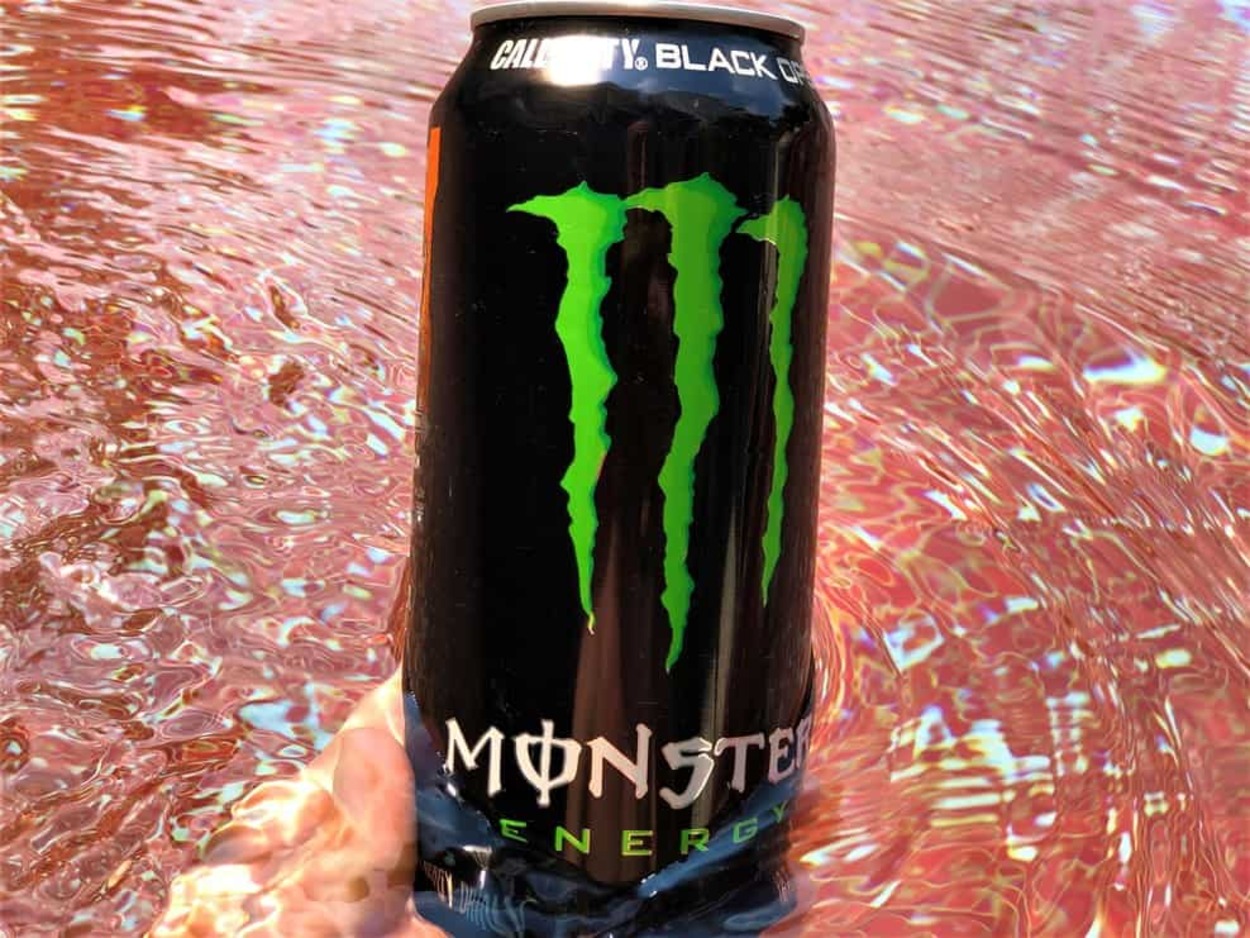
Does Pepsico own Monster Energy?
Monster Energy drink is not part of PepsiCo; rather, it has a collaboration with CoCa-Cola.
Although Coca-Cola doesn’t control Monster, the two firms have a close relationship as a consequence of a 2015 agreement (Coca-Cola has a 16.7 percent stake in the company).
According to the rules of the agreement, Monster must release non-energy products under the name Coca-Cola, while Coca-Cola must release energy products under the name Monster.
Competition Between Pepsico and Coca Cola
PepsiCo and Coca-Cola have struggled in the energy drink business, although both are attempting to improve their market share in the rapidly increasing beverage area.
The shift also reflects customers’ changing tastes as they transition away from soda and toward alternatives such as low-calorie drinks and beverages flavoured with coffee and tea.
Coca-Cola and PepsiCo are aiming to leverage the recognition of their historic brands in order to gain a larger share of the burgeoning energy drink industry as soda consumption in the United States declines.
Coca-Cola Energy is available in around 20 countries now. The energy drink contains caffeine from natural sources, guarana extracts, and B vitamins.
PepsiCo hasn’t been excluded from doing the same with its eponymous soda brand while also pushing its Mountain Dew line into the energy drink sector.
I’ve added a youtube video showing the difference between Pepsi and Coca-cola.
Are energy drinks bad for you?
Energy drinks have grown in popularity as a source of energy. Caffeine, which is included in large amounts in most energy beverages, provides an energy boost.
Caffeine is an active element that activates the central nervous system and the brain. What’s not to enjoy about increasing mental and physical performance, which leads to higher productivity?
Those advantages may sound appealing, but many studies have linked caffeine to negative side effects such as:
- Insomnia
- Nervousness
- Restlessness
- Stomach irritation
- Nausea
- Increased heart rate
- Respiration
Energy drinks include large amounts of caffeine and sugar, which can cause health problems; therefore, consuming too many energy drinks can be harmful.
We’re all aware that Red Bull is consumed by practically everyone, even teenagers, which is quite dangerous.
Several studies have connected excessive Red Bull drinking to a variety of health problems, including:
- Restlessness and shakiness
- Insomnia
- Headaches
- Dizziness
- Fast heart rate
- Dehydration
- Anxiety
- Dependency
What are the pros and cons of energy drinks?
The pros and cons of energy drinks have been given below.
Pros
The pros of energy drinks are given below:
Energy drinks are ideal for providing a quick boost. It frequently contains both sugar and caffeine, which provide an energy boost.
However, I prefer sugar-free energy drinks so that I don’t have a sugar crash.
Energy drinks that contain a combination of caffeine, B group vitamins, taurine, and ginseng (like REIZE Energy Drink) don’t require sugar on the ingredient list because all of the other great ingredients work together to give you a good energy boost.
Goodbye, sugar!
Energy drinks are available in either ready-to-drink cans or powder form in sachets or tubs.
Both are easier to transport than a cup of coffee, but powder energy drinks are unquestionably more convenient than ready-to-drink cans due to their lightweight and small packaging.
They’re easier to transport and deliver a greater energy boost than a traditional cup of coffee, which lacks the B group vitamins and other beneficial ingredients found in many energy beverages.
When you’re sleepy, you may become grumpy and reluctant to do anything.
Go get yourself a can of energy drink; it’ll get you revved up to get things done again. Most energy drinks are high in B vitamins, which help to regulate mood and other brain functions.
If you’re having trouble concentrating and remembering things, energy drinks can assist. Caffeine, which is found in energy drinks, has been shown to boost concentration and memory.
Cons of Energy Drinks
The cons of energy drinks are given below.
Some energy drinks include a lot of caffeine, which is a form of stimulant.
As our bodies become accustomed to the stimulating effects of caffeine, more dosages of caffeine will be required to experience the same level of energy that you previously experienced.
Many energy drinks are high in sugar.
Sugar is broken down in your body into glucose and sucrose, resulting in weight gain if ingested in excess.
I would strongly advise you to avoid high-sugar energy drinks in favour of something a little friendlier to your waistline.
Alternatives to Energy Drinks
Energy drinks, whether owned by PepsiCo or not, can be harmful to your health. As a result, you require something that is both healthy and beneficial such as:
- Green juices and smoothies
- Green tea
- Protein shake
- Water
Best Energy Drink- REIZE
Each REIZE Energy serving contains 50mg of caffeine, 11 calories, and no sugar added. And as you can expect, this is my all-time favourite. 50mg of caffeine is a reasonable quantity that has no negative side effects for me.
Caffeine, taurine, ginseng, and B vitamins all work together to give you a tremendous energy boost without the crash or jitters.

If you’ve been consuming caffeine-laden energy drinks and are attempting to cut back or quit completely, this could be a good transition drink for you.
Most significantly, REIZE ships straight to your door for less than a dollar for each drink, including shipping. That’s amazing value for money.
Try REIZE Energy today, and you might find it to be the best energy drink for energy.
Conclusion
- PepsiCo is diverse in and of itself. Pepsi has six energy drinks under its control.
- Its energy drink brands include Amp Energy, Rockstar Energy, Cool Attitudes, Gatorade, and Starbucks.
- The North American Coffee Partnership, a nearly 30-year-old partnership between PepsiCo and Starbucks, prepared the stage for the launch of Baya, a ready-to-drink energy drink.
- However, if you’re not convinced and want something fresh, you might go for REIZE!