If you’re planning a party soon, you may be thinking about the drinks you’ll serve. And a common option is alcohol, which is known to have negative effects.
Although research indicates that there is a very small amount of alcohol in energy drinks, it can still be detected by sensitive equipment; the general consensus is that energy drinks do not contain alcohol.
There is a concerning trend of mixing alcohol and energy drinks among youth and adolescents.
Intoxication’s side effects are hidden by this harmful combination, which also gives them more energy and the stamina to stay out late and keep drinking.
Keep reading to know more about the energy drinks which contain alcohol and the reaction of mixing alcohol with caffeine.
What Are Energy Drinks?
Young people are now being aggressively marketed energy drinks as a way to boost their energy while also improving their physical and mental performance.
Large amounts of caffeine, additional sugars, other additives, and safe stimulants like guarana, taurine, and L-carnitine are usually present in energy drinks.
These stimulants are legal and can raise blood pressure, heart rate, and breathing rate in addition to increasing alertness, attention, and energy.
Energy drinks are distinct from soft drinks, which either don’t have caffeine or have very little of it.
Energy beverages include Red Bull, Monster, Rockstar, NOS, and Amp.
Ingredients In An Energy Drink
The majority of energy drinks are nonalcoholic and have high sugar and caffeine content.
Additionally, they’re frequently blended with taurine, glucuronolactone, guarana, and B vitamins, and sold to young people as having a stimulant and performance-enhancing effect.
Caffeine
The most typical sources of caffeine in nature are cacao, tea, and coffee plants.

It functions by stimulating the central nervous system and brain, keeping you alert and delaying the onset of fatigue.
It operates by preventing the effects of adenosine, which is a neurotransmitter that calms the brain and makes you feel tired.
Consuming caffeine is generally regarded as safe, though it can become habit-forming. Although an excessive intake can be harmful.
The FDA has stated that for healthy adults, up to 400 milligrams per day—approximately four or five cups of coffee—is an amount not typically associated with harmful, adverse effects including:
- Anxiety
- Insomnia
- Restlessness
- Headache
- High blood pressure
- Irregular heartbeat
- Tremors
- Kidney Stones
- Liver problems
- Death
Sugar
Sugar is a common ingredient in energy drinks in addition to caffeine. Of course, our favorite brands need a little sweetness to achieve their distinctive flavors.
When it comes to energy drinks, it’s critical to be mindful of how much sugar we consume because they can significantly affect our health.
Some brands have healthier ingredients than others, and not all brands are created equal. For instance, energy drinks like NOS and Monster have a lot of sugar in them.
The NHS advises healthy adults to limit their daily sugar intake to 30g, while children should not exceed 24g.
Consuming too much sugar can quickly raise blood sugar levels, affect insulin sensitivity, and result in sugar crashes.
Other possible side effects include:
- Acne
- Dental deterioration
- Fatty liver
Caffeine And Intoxication
The medical and mental health condition known as caffeinism, also known as caffeine intoxication, is characterized by a number of unpleasant mental and physical symptoms that can be brought on by consuming too much caffeine.

When high doses of caffeine are consumed, symptoms are mainly caused by an overstimulated central nervous system or other organ systems.
Although it is most frequently consumed by drinking coffee and tea, caffeine is frequently a key component in energy drinks as well. It can also be found in many dietary supplements or taken as caffeine tablets.
Pure powdered caffeine has recently become available on the market as a dietary supplement, but experts caution that just one teaspoon is equivalent to up to 28 cups of coffee, which is a toxic dose.
Although caffeine intoxication is a transient condition, some people may need urgent medical care depending on how much caffeine they have consumed.
After a few hours, caffeine intoxication typically goes away on its own. During an episode, it’s advisable to treat caffeine intoxication by drinking water for rehydration, walking to lessen restlessness, and not drinking any further caffeine.
What Is Alcohol?
Alcohol is a chemical that is present in alcoholic beverages like beer, wine, and liquor.
Additionally, it can be discovered in some medications, mouthwashes, home goods, and essential oils (scented liquid taken from certain plants).
Alcohol is produced through the chemical process of fermentation that makes use of yeast and sugar. There are various kinds of alcohol. Ethyl alcohol is the type of alcohol used to make alcoholic beverages.
Regular or excessive alcohol consumption may raise the risk of developing certain cancers, including cancers of the mouth, throat, esophagus, breast, liver, colon, and rectum.
Mixing Alcohol And Energy Drinks
Mixing alcohol with energy drinks is a common practice adopted by youngsters to feel extremely high and charged. Unfortunately, this is not true.
In a study of high school students in Michigan, binge drinkers were more than twice as likely (49.0% vs. 18.2%) to mix alcohol with energy drinks.
Alcohol’s sedative effects can be covered up by energy drinks, which makes people less aware of how much they’ve consumed.
Energy drinks contain extremely high levels of caffeine, which counteracts alcohol’s drowsiness effects in what researchers refer to as “wide-awake drunk.”
As a result, we are more likely to drink more alcohol than we would normally and miss the signals our bodies give us when we’ve had too much to drink.
Evidence suggests that mixing alcohol and energy drinks can have more detrimental physical and psychological side effects than drinking alcohol alone.
Heart palpitations, potentially harmful abnormal heart rhythms, difficulty sleeping, and tense or agitated feelings are some examples of these.
Do Energy Drinks Have Alcohol In Them?
It’s unlikely to find traces of alcohol in many energy drinks, and nor is their inclusion mentioned yet some research has concluded Red Bull to have had alcohol in it.

Yet, a lot of studies have also denied the presence of alcohol in energy drinks so this topic still remains debatable until other evidence is found.
They measured the alcohol content of 27 different energy drinks. Rockstar, Full Throttle, and Red Bull were among the beverages put to the test.
Thirty-seven of the drinks had an alcohol content above 0.06%, and nine of the drinks had an alcohol content of at least 0.096%.
Even though the amount of alcohol in the tested energy drinks was very low, the researchers looked into whether or not a breathalyzer could pick up on these trace amounts of alcohol.
Side Effects Of Alcohol Consumption
After tobacco, alcohol is the substance that Americans use the most.
Approximately 86% of Americans aged 18 and older reported using alcohol at some point in their lifetime, according to the 2019 National Survey on Drug Use and Health.
According to the Dietary Guidelines for Americans, on days when alcohol is consumed, adults of legal drinking age are advised to limit their intake to no more than 2 drinks for men and up to 1 drink for women.
The following individuals should avoid having alcohol:
- Younger than 21
- Pregnant
- Driving
- Suffering from medical conditions
- Recovering from alcoholism
Among the short-term effects you might experience while drinking alcohol (or right after) are:
- Drowsiness
- Change in mood
- Impulsive behavior
- Nausea
- Headache
- Diarrhea
- Changes in hearing, vision, and perception
- Loss of coordination
- Trouble focusing or making decisions
Drinking alcohol can also result in longer-lasting issues that go beyond your own well-being and mood.
Regular alcohol consumption can have a number of long-term effects, such as persistent mood changes, such as anxiety and irritability, insomnia and other sleep issues, and a weakened immune system, which could lead to more frequent illness.
Famous Energy Drinks
Full Throttle
The Coca-Cola Company introduced the Full Throttle energy drink in the early 2000s under the Monster Energy brand.
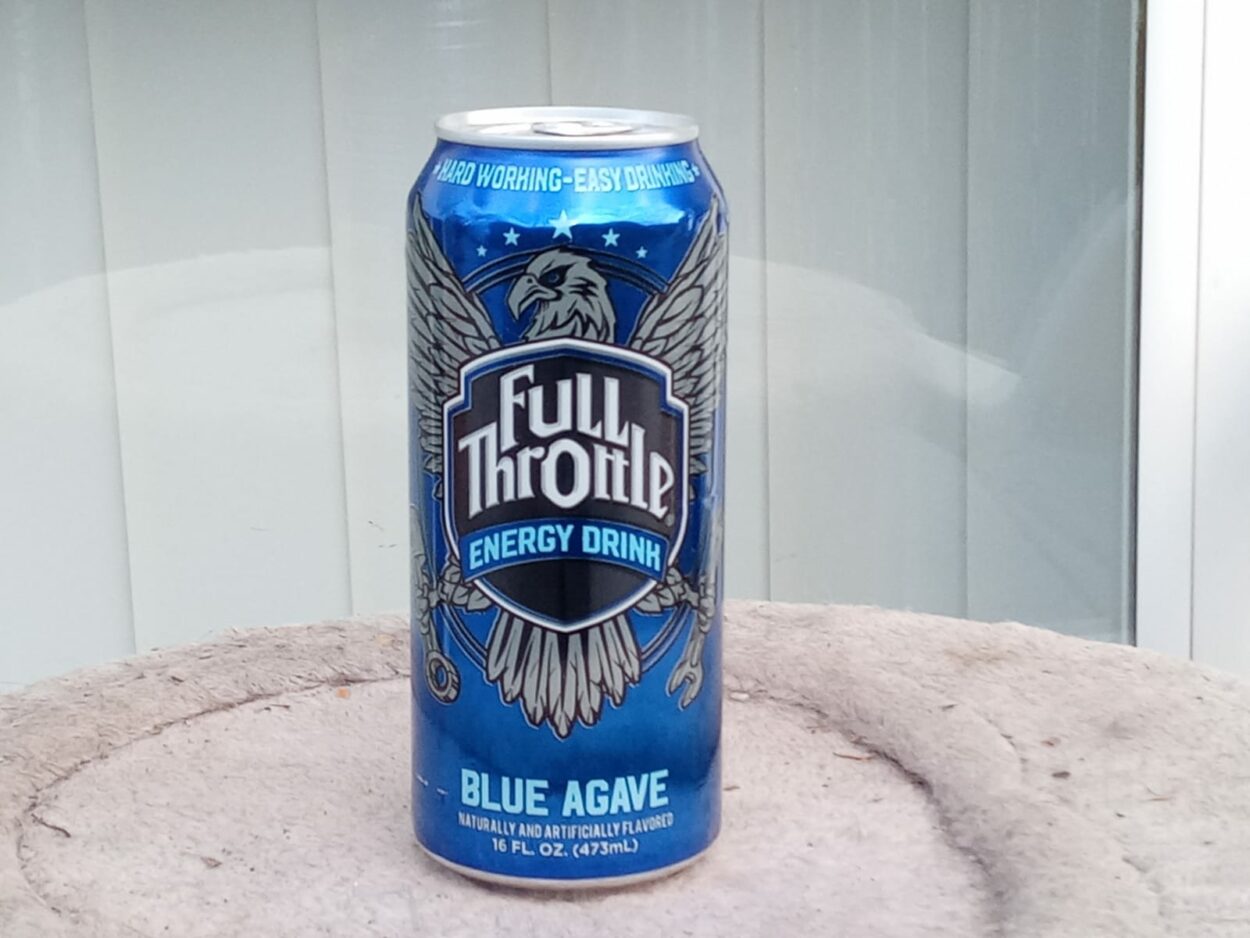
It contains fat, sodium, carbohydrates, protein, pantothenic acid, and vitamins B3, B6, and B12. Its hydrating qualities aid in keeping you active, and its ingredients support the strenuous exercise.
Monster

For those who are new to energy drinks, Monster Energy is undoubtedly a popular choice and frequently represents their introduction to the category as a whole.
The typical 16 fl. oz. can of Monster Energy contains 54g of sugar and 160mg of caffeine in addition to a few other ingredients like taurine, guarana, and Panax ginseng extract.
REIZE
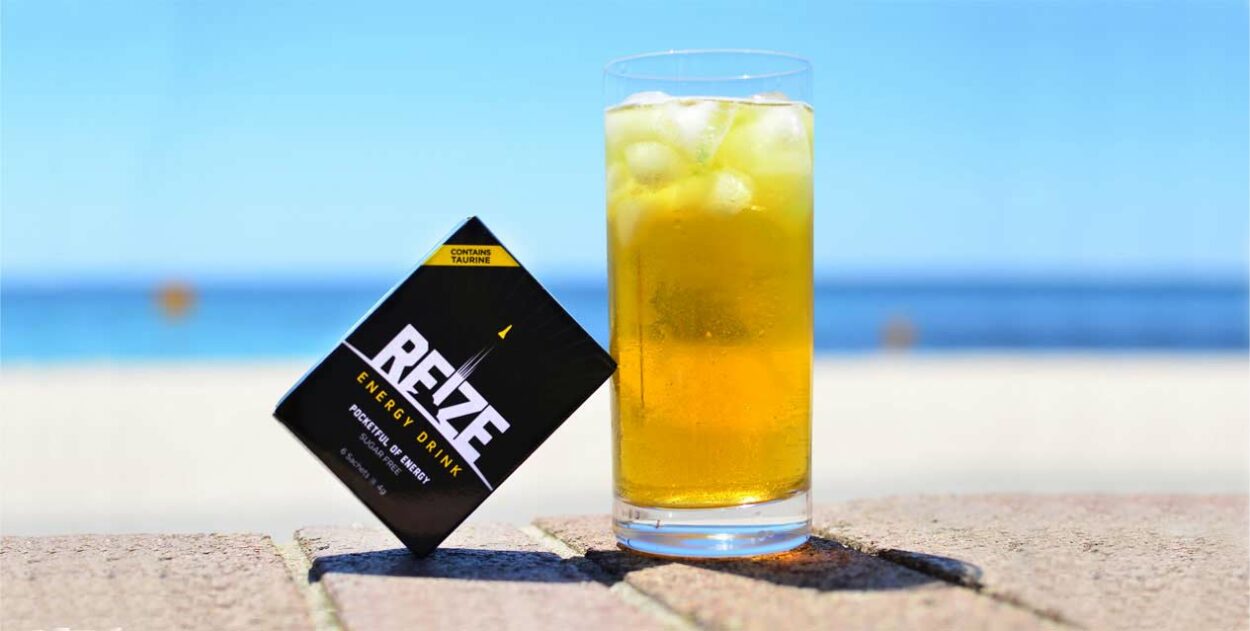
REIZE is a powdered energy drink sold in 4g packets, and it contains no sugar, only 50mg of caffeine per serving, and 11 calories.
You can combine it with just about any other beverage. It is the market’s most versatile energy drink, in my opinion.
Try REIZE! It has a special combination of taurine, ginseng, and B vitamins that together give you the sustained energy you need for extended gaming sessions without giving you a sugar crash. Not to mention the vitamins in this energy drink’s nutritional value.
Conclusion
- Drinking alcohol can depress you, induce sleep, and impair your judgment. Alcohol, unlike caffeine, impairs your ability to concentrate and think clearly, but most people still drink it for its stimulating properties.
- Never combine alcohol and energy drinks. Although mixing energy drinks and alcohol is a popular trend among young people right now, I think it should never be done.
- Energy drinks are non-alcoholic, as stated on their websites and instructions for the canned bottles, but some articles claim that drinks like Red Bull and Monster contain alcohol in small amounts. This claim is still up for debate, as there is a lack of research on energy drinks that contain alcohol.
- Although the effects of the alcohol are actually covered up by the caffeine, the combination of energy and alcohol would make you feel awake and less inebriated. This makes it more likely that you’ll drink more than you normally would.