


Warning: Children shouldn’t consume energy drinks!
If you’re a parent and you’ve got concerns about how energy drinks can affect your children, you’re completely right to be worried. Even if you aren’t a parent, or just a minor yourself, it’s important to keep yourself informed on the subject of energy drinks and kids.
Energy drink companies usually promote these beverages as a tasty solution for an effective and quick energy boost. Also, energy drinks are an attractive choice for children and teenagers alike because they can be sweet, fizzy, and fruity in flavour.
But if you want to know the answer real quick, I think the best energy drinks for children (18 and above ) are Monster, Red Bull, and REIZE.
That being said, understanding why and how energy drinks are bad for children is important to help you make the right lifestyle choices. Read more to find out.
Can children drink energy drinks?
Well, the answer is yes and no – depending on which country you reside in.
Lithuania, Latvia, and the UAE have implemented a ban on the sales of energy drinks to minors under 18 years of age.
Whereas the United Kingdom followed suit in 2019 and banned sales of energy drinks to minors under 16. However, this is not the case in many other countries…yet.
I personally have a strong stance on the subject and do believe that countries should ban the sales of energy drinks and all other caffeinated products to children.
I recommend reading my other article on whether countries should ban energy drinks for children for a detailed and balanced argument on the topic.
Although it may be legal in your country for children to drink energy drinks, there’s a lot of reasoning and science behind why this is definitely not recommended.
However, once you’ve blown the candles off your 18th birthday cake, there’ll be loads of time for you to safely enjoy a stimulating can of energy drink!
What’s in energy drinks that are harmful to kids?
The two key ingredients in energy drinks that can negatively affect a child are caffeine and sugar. Some energy drinks even contain guarana which acts as an additional source of caffeine which make the beverage more potent.
Caffeine
Energy drinks often contain high levels of caffeine. This is what mainly accounts for the ‘energy’ in the drink. Primarily, caffeine consumption by children is a cause of concern due to the fact that their cardiovascular and nervous systems are still in the process of developing.
This leaves children’s bodies more vulnerable and susceptible to the adverse effects of caffeine. Caffeine consumption can lead to very serious and prolonged health issues, especially for children with preexisting conditions.
To an adult, the effects of caffeine can be positive until the dosages exceed the maximum recommended daily intake of 400mg.
For children, especially younger kids, it won’t take a big amount of caffeine for some side effects to start showing up.
Some of the effects of caffeine on children may be:
- increased heart rate
- anxiety
- sleep disturbances
- dependency
The American Academy of Pediatrics (AAP) states that caffeine has “no place in the diet of children and adolescents”.
Heart Problems
The Canadian Journal of Cardiology published findings that energy drinks increased the risk of heart-related abnormalities in children with underlying heart conditions and also in some cases of healthy children.
The risks are greater when combined with physical activities such as sports.
Mood and Behaviour
The consumption of caffeine might affect children’s sleeping schedule and concentration in class, preventing them from reaching their full potential in academic performance.
In this study conducted over 798 grade-school children, it was found that 19 participants were more emotional, restless, and distracted after consuming caffeine.
Furthermore, a high intake of caffeine could give children migraines and headaches.
A study conducted on 36 participants consisting of children and adolescents showed that excessive consumption of cola drinks was related to daily headaches.
Dependency and Substance Abuse
The consumption of caffeine by children can lead to withdrawal symptoms that in turn can develop into addiction.
A study published in the Journal of the American Academy of Child & Adolescent Psychiatry demonstrated that thirty of their school-aged participants suffered from a deterioration in reaction time that is consistent with withdrawal symptoms in a task that required attention after discontinuing caffeine consumption for 24 hours.
The effects of the withdrawal lasted for a week.
As caffeine stimulates the central nervous system, the fact that children are still in a developmental phase means that they are more vulnerable to its effects.
An example of how this vulnerability results in permanent altercations can be seen in another study that shows caffeine can increase the rewarding properties of certain dangerous substances such as cocaine due to its permanent impact on brain chemistry when introduced at an early age.
How does the sugar content affect children?
Many energy drinks contain a high amount of sugar. However, this is not always the case as we now have many sugar-free options available.
AHA recommends that the daily sugar intake for kids aged 2 – 18 should be less than 6 tsp (25g) of added sugars per day.
Remember though, added and processed sugars aren’t only in energy drinks, colas, and sodas, but it’s also present in ice creams, chips, and even ketchup.
Excessive sugar intake can lead to gradual weight gain and obesity. Too much sugar also could cause cavities, heart disease, and diabetes in the long term.
It’s important you monitor your child’s sugar intake each day. You can provide your children with foods that naturally have sugar in them like fruits and milk to meet their dietary requirements.
So, if not energy drinks, what is appropriate for a child to consume? Let’s check out some healthy alternatives.
How much caffeine is safe for 12 year old?
Generally, there is no safe amount of caffeine for a 12-year-old.
That said, as long as there isn’t an amount that is determined safe, a 12-year-old shouldn’t consume more than 100mg of caffeine per day.
If symptoms persist, stop caffeine right away!
What can children take for an energy boost?
A healthy balanced diet can give your child the energy they need to grow and excel in their learning and development.
A simple and healthy alternative for energy drinks in a child’s diet is a combination of high-energy foods with milk and water.
High Energy Food
Fruits like bananas, apples, oranges, and avocados are great sources of proteins, vitamins, antioxidants, and important minerals that can aid in your child’s growth.
A study conducted on 14 participants discovered that eating a banana provided as much energy and endurance as drinking a sports drink before a 75km bicycle ride.
Other sources of energy that would be beneficial to children are fatty fish and eggs.
A few examples of fatty fish are:
- Trout
- Sardines
- Mackerel
- Tuna
- Herring
Vegetables are also on the list of high-energy foods. Among the types of veggies that can sustain your child’s energy levels are sweet potatoes, beets, and dark leafy greens like kale and spinach.
In this study, it was discovered that drinking beetroot juice before performing athletic activities improved cardiovascular functions and increased the athletes’ efficiency and performance.
Sweet potatoes are naturally sweet and might satisfy your child’s sweet tooth too. This food is a rich source of starch, which turns into energy after consumption. The fibre and vitamins in sweet potatoes also aid in digestion and boost the immune system.
Water
Water is important to keep ourselves hydrated and healthy.
For children, they require more water than adults do. It’s recommended they drink 6 – 8 glasses of water daily.
There are many benefits of drinking water including enhancing cognitive performance, regulating body temperature, and keeping the skin healthy.
Milk
For kids and teens alike, milk is a great way to gain energy and stay healthy. Milk contains proteins and calcium that can help in their growth and brain development.
As stated by medicalnewstoday, milk promotes benefits such as:
- strengthens bones and teeth
- reduces the risk of blood pressure
- boosts muscle growth
A study performed on 50 children who avoided drinking milk found that long-term avoidance of milk could lead to weak bone health and underdeveloped statures in growing children.
AHA recommends the daily serving of milk or milk alternatives for children should be:
| Ages 1 – 8 | 2 cups |
| Ages 9 -18 | 3 cups |
If your child is lactose-intolerant, there are alternatives to dairy milk:
- soy milk
- almond milk
- rice milk
- oat milk
What’s good for kids to drink for sports activities?
Water is the healthiest option for children to keep hydrated and energized, and milk is a close second.
What about sports drinks for children?
Energy Drinks VS Sport Drinks
You may be asking which one is better for my child. The answer is neither.
Sports drinks are also known as electrolyte drinks. They are marketed to athletes as drinks that replenish water, electrolytes, and energy before and after training or competitions.
Energy drinks are beverages that contain stimulant ingredients, usually caffeine, that are often marketed as promoting alertness and reducing tiredness.
Sports drinks may be beneficial to children who are training or competing in sports at first. But eventually, the frequent consumption of sugary and carbohydrate-rich drinks will lead to health problems.
Energy drinks, on the other hand, shouldn’t be consumed by children at all.
However once a person has reached the age of 18, it’s safe to enjoy the many beneficial and stimulating effects of energy drinks.
At this age, the body has developed so you won’t be risking developmental issues and an adult body is definitely prepared to handle caffeine a lot better.
Can kids drink C4?
Kids shouldn’t drink C4 Energy.
C4 contains 200 mg of caffeine and other active ingredients which could be dangerous to your kid’s health. Too much caffeine and the intake of artificial sweeteners, in the long run, may affect your kid’s development.
Therefore, you should give your kids water and energy-boosting food for energy and focus. There are quite a few good choices nowadays. Go and try them all!
Read this article to know more about the C4 Energy drink.
Best Energy Drinks (For Drinking After 18+)
I think this list of energy drinks I made in a previous post is worth checking out if you want to learn more about a larger variety of brands available. Now let’s go over a few recommended energy drinks:
Monster Energy Drink
Monster Energy contains:
| Ingredients | |
| Caffeine | 179mg |
| Sugar | 52g |
| Taurine | 0.4% |
| B Vitamins |
Monster is up there with the list of strong energy drinks with formidable caffeine content. In line with its branding as an intense energy drink, Monster can provide you with a real intense caffeine buzz.
Personally, the amount of caffeine in this is too much for me. I like to keep my intake between 50mg and 100mg per serving. As for sugar, 52g is also too much for me (actually too much for anyone).
Red Bull Energy Drink
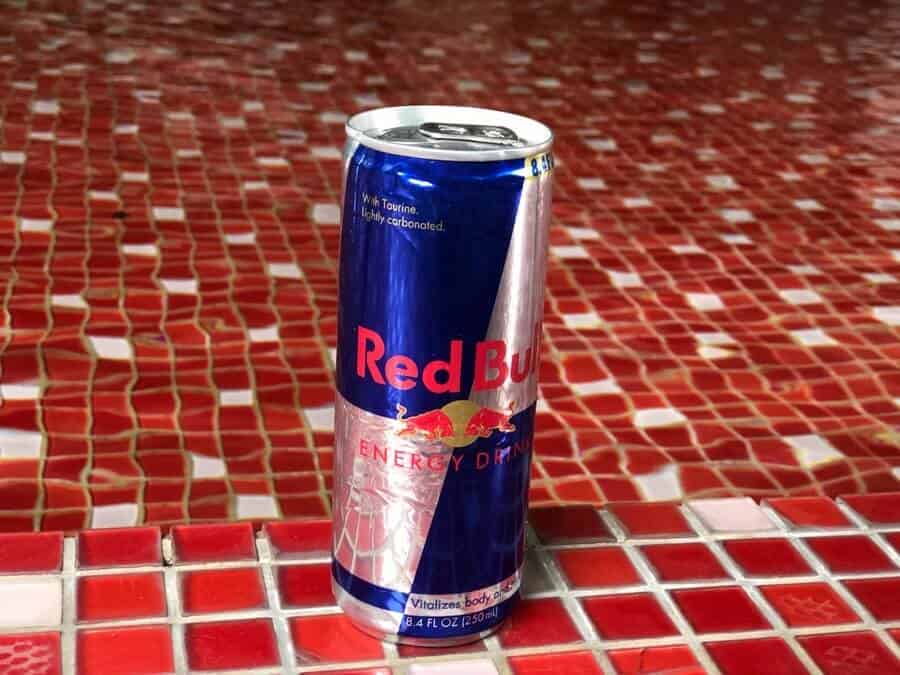

A can of Red Bull contains the following ingredients:
| Ingredients | |
| Caffeine | 80mg |
| Sugar | 27g |
| Taurine | 0.4% |
| B Vitamins |
A can of Red Bull contains a sensible amount of caffeine that should still be able to perk you up. You can also have a few servings while still keeping consumption in line with the FDA’s maximum caffeine dose of 400mg.
I prefer to avoid sugar whenever possible. Especially when it comes to energy drinks because I savour the energising effects and really don’t want to deal with sugar crashes. I mean, who does?
I do get into a lot more detail about Red Bull and its ingredients in my other article.
Also, I drank both Red Bull and Monster (ALL THAT CAFFEINE AND SUGAR, yes) – in the name of science, just so you could get an honest review in this comparison article.
REIZE Energy Drink (10 out of 10)
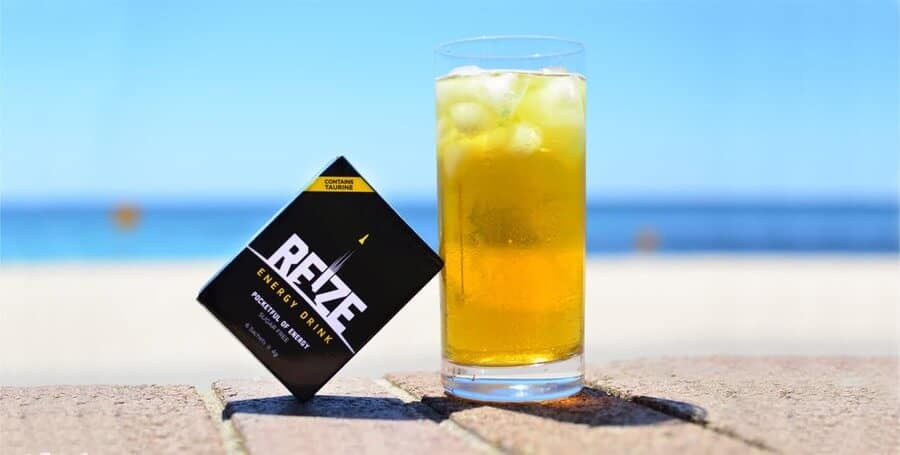
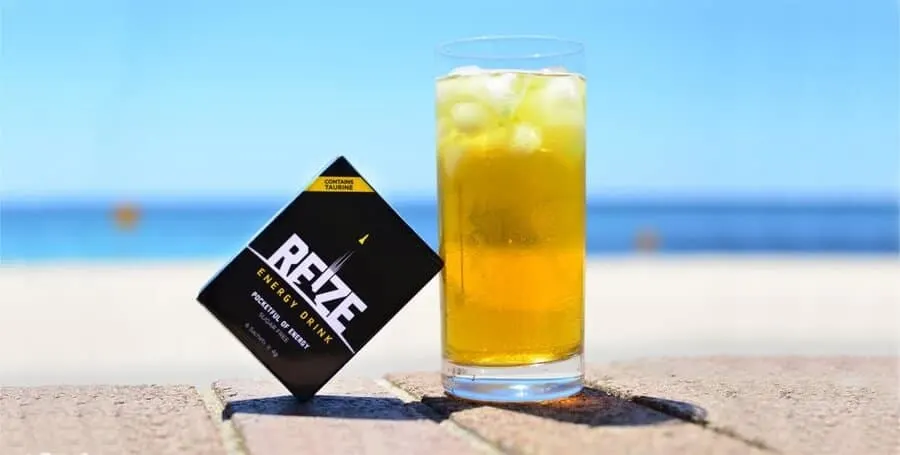
| Ingredients | |
| Caffeine | 50mg |
| Sugar | ZERO |
| Taurine | 1000mg |
| B Vitamins | Lots! |
| Ginseng |
This drink by far is my number one choice when it comes to energy drinks.
With my favourite dose per serving of 50mg of caffeine and a smart mix of taurine, ginseng, and B vitamins, this is the drink you can count on to get your energy boost. It’s sugar-free as well and easy to carry around.
All you have to do is tear a sachet open and mix it into a glass of water and voila! Your drink is ready.
The best part is that it only costs around $1, including shipping straight to your doorstep.
What a deal, am I right?
Give a REIZE a try after you turn 18 or when you’d like to introduce your now-adult child to energy drinks – you’re bound to be satisfied with your choice.