


Full Disclosure: The FDA does not regulate energy drinks.
The Food and Drug Authority (FDA) is one of the regulatory boards that aim to protect your health, welfare, and wellness.
It’s essential to know what are the benefits and risks that you can get from a product.
With that said, you might be wondering:
Are energy drinks regulated and approved by the FDA?
The FDA does not regulate energy drinks as a whole but they regulate the ingredients such as caffeine, sugar, and artificial sweeteners.
Sounds confusing?
Allow me to enlighten you!
What Is The Food And Drug Authority?
The Food and Drug Administration (FDA) ensures that the products sold in the market are safe and secure for consumption.
The FDA also aims to inform consumers of accurate, science-based information to the public ensuring products are safe for consumption.
Do Energy Drinks Need FDA Approval?
Energy drinks do not require FDA approval for their products to be available for consumption.
However, the ingredients in energy drinks are regulated by the FDA. The FDA oversees food products with the help of the Center for Food Safety and Applied Nutrition (CFASAN) to ensure safety.
As a result, it is up to each energy drink manufacturer to choose how they should categorize their products.
Depending on its composition, labeling, and intended use, energy drinks may be sold either as normal beverages or as nutritional supplements.
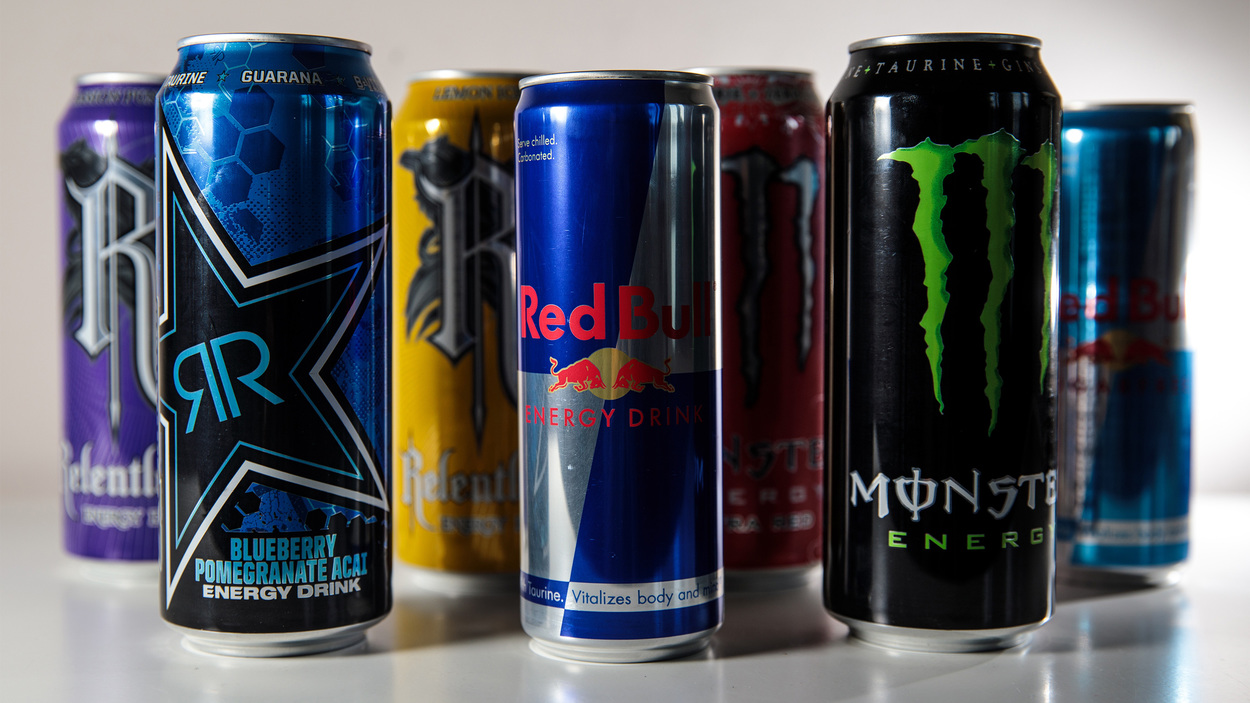
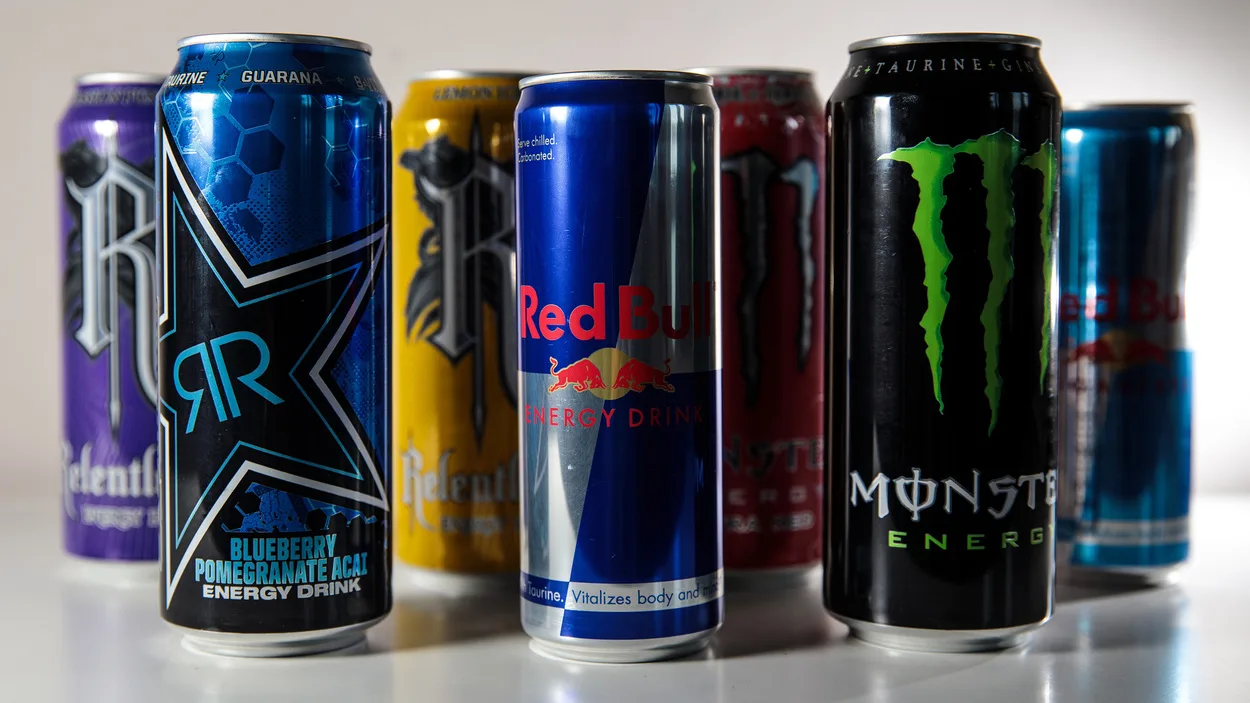
Most energy drinks are classified as dietary supplements to avoid the FDA’s caffeine ceilings for beverages.
There are incidents pointing to energy drinks as the culprit. The issue resulted in manufacturers putting labels on their products to inform consumers about safety.
Check out the video to find out more!
How Does the FDA Regulate Energy Drinks?
Once a company starts to add some new food additives, it must provide information to the FDA, which would be reviewed and tested to ensure that they are reliable and safe.
The way to identify if energy drinks are regulated is by looking at their nutrition facts and ingredient list. The information on the can or packet can help you identify the right dosage for your consumption.
That said, make sure to heed the label of your energy drinks.
Why Does the FDA Regulate Caffeine?
The reason why the FDA regulates caffeine is due to the dangers of caffeinated beverages. In the US, it has contributed to at least two deaths.
Caffeine is a natural stimulant and is the main component of an energy drink. It is the ingredient that keeps you energized and focused for a specific period of time.
For reference, the FDA recommends not more than 400mg of caffeine per day for healthy individuals. This is to ensure you’ll not feel any discomfort after consuming anything caffeinated.
You should know that overconsumption of caffeine can cause serious problems like:
- Anxiety
- Fatigue
- Rapid heart rate
- Insomnia
- Frequent Urination and Urgency
- Addiction or dependence
- Digestive issues
- Muscle breakdown
- High blood pressure
For that matter, I choose energy drinks that have 50 to 100mg of caffeine, as I find that it’s enough for me to get the boost that I want without the caffeine crash.
If you’re interested in energy drinks without any caffeine, take a look at the article that I have linked.
FDA Take on Sugar Consumption
There are two types of sugar in your drink: the naturally present sugar and the added sugars. The FDA properly defines these to ensure that you know what you are consuming.
Sugars Naturally Present
Sugars naturally present are sugar that is found naturally in foods like fruits and milk. All sugars provide energy in the form of calories.
Note that each gram of sugar can provide 4 calories. Once your body breaks down sugar into glucose, it will turn into an energy source.
Added Sugar
Added sugars are sugars that are processed or added during the processing of foods. It’s also known as caloric sweeteners.
Added sugars usually come in the form of natural sugar like white sugar or brown sugar. Honey is also an example of added sugar that is chemically manufactured.
The AHA proposes a daily sugar consumption of 36g and 25g of sugar for men and women, respectively. Going past the limit can lead to serious problems like:
- Aging Skin
- Cardiovascular diseases
- Diabetes
- Tooth Decay
- High blood pressure
- Obesity
- Sugar Crash
- Weight gain
Regulated Artificial Sweeteners
Here is the list of safe, and regulated artificial sweeteners approved by the FDA:
- Saccharin
- Aspartame
- Acesulfame Potassium
- Sucralose
- Neotame
- Advantame
- Steviol Glycosides
- Luo Han Gou Fruit Extracts
Artificial sweeteners are regulated as food additives. Companies can only use them in foods once it’s passed the FDA approval. This step is implemented to ensure that all ingredients that are added to foods and beverages are safe.
Are Top Energy Drinks Regulated by the FDA?
It’s important to note that most conventional foods, beverages, and dietary supplements are under the Federal Food, Drug, and Cosmetic Act.
This means that it’s mandatory for them to pass the guidelines and be transparent with the contents and ingredients they offer.
Red Bull Energy Drink
Red Bull is one of the top energy drinks in the market. Being one of the best energy drinks, they also comply with the laws and regulations set by the Federal Food, Drug, and Cosmetic Act and FDA.
If you’re not sure about the contents of your energy drink, you find it on this website.
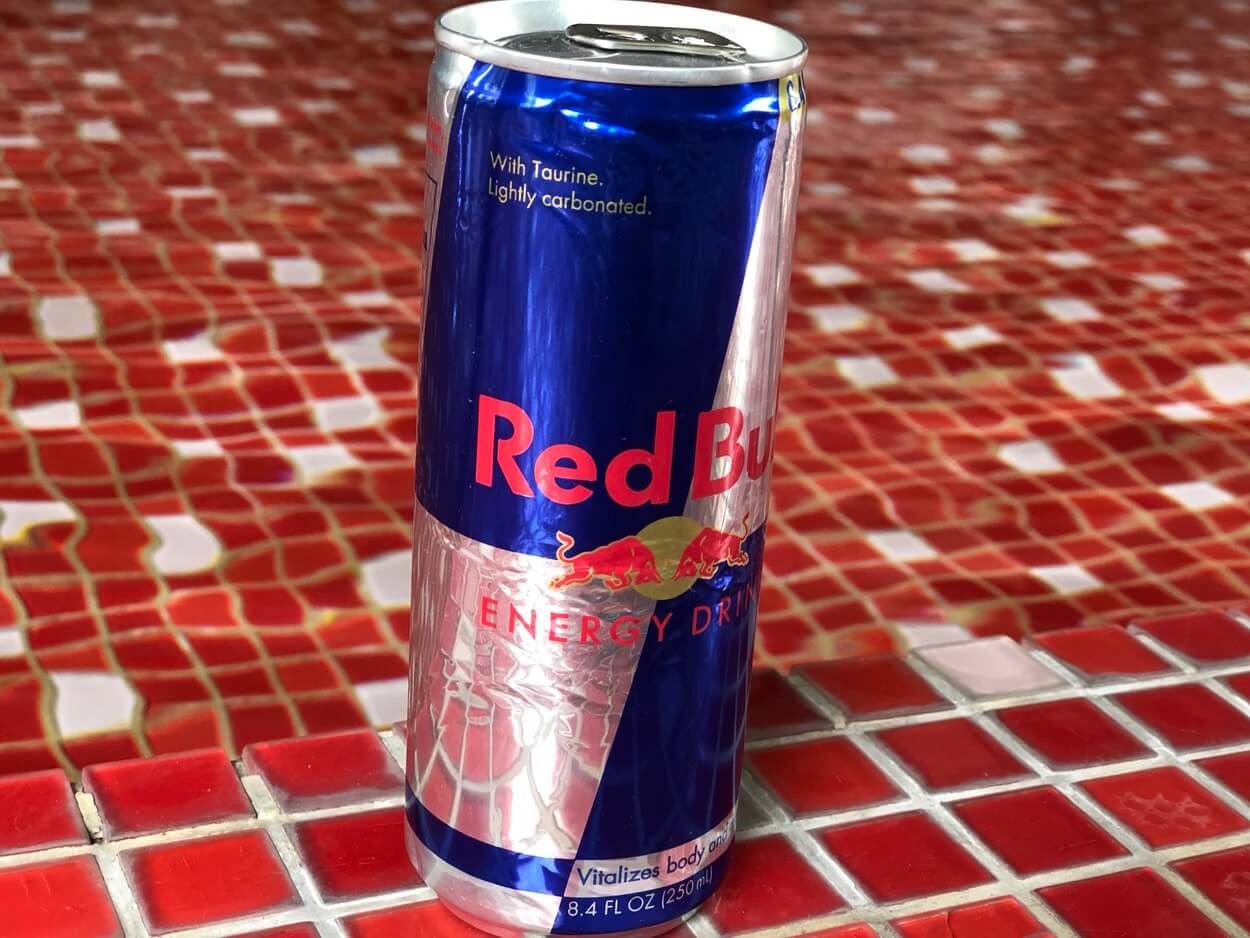
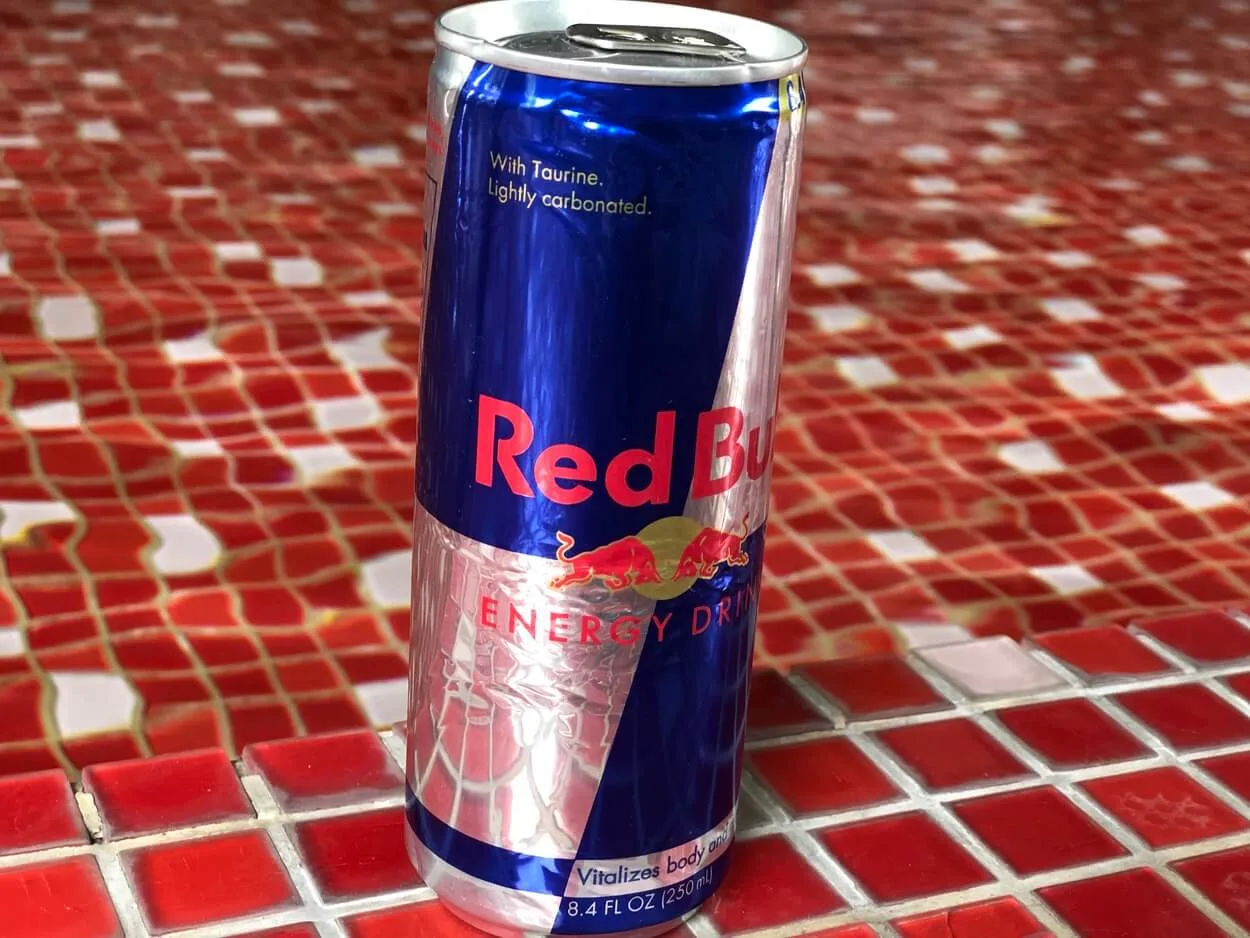
It’s important to note that Red Bull voluntarily included its caffeine content in the can for transparency. It helps you regulate your consumption, and more importantly, adheres to American Beverage Guidance for Responsible Labeling and Marketing of Energy Drinks.
Monster Energy Drink
Monster Energy has been subject to different controversies because of its caffeine content. To address this problem, Monster Energy, formerly under dietary supplements, moved into the beverage category.
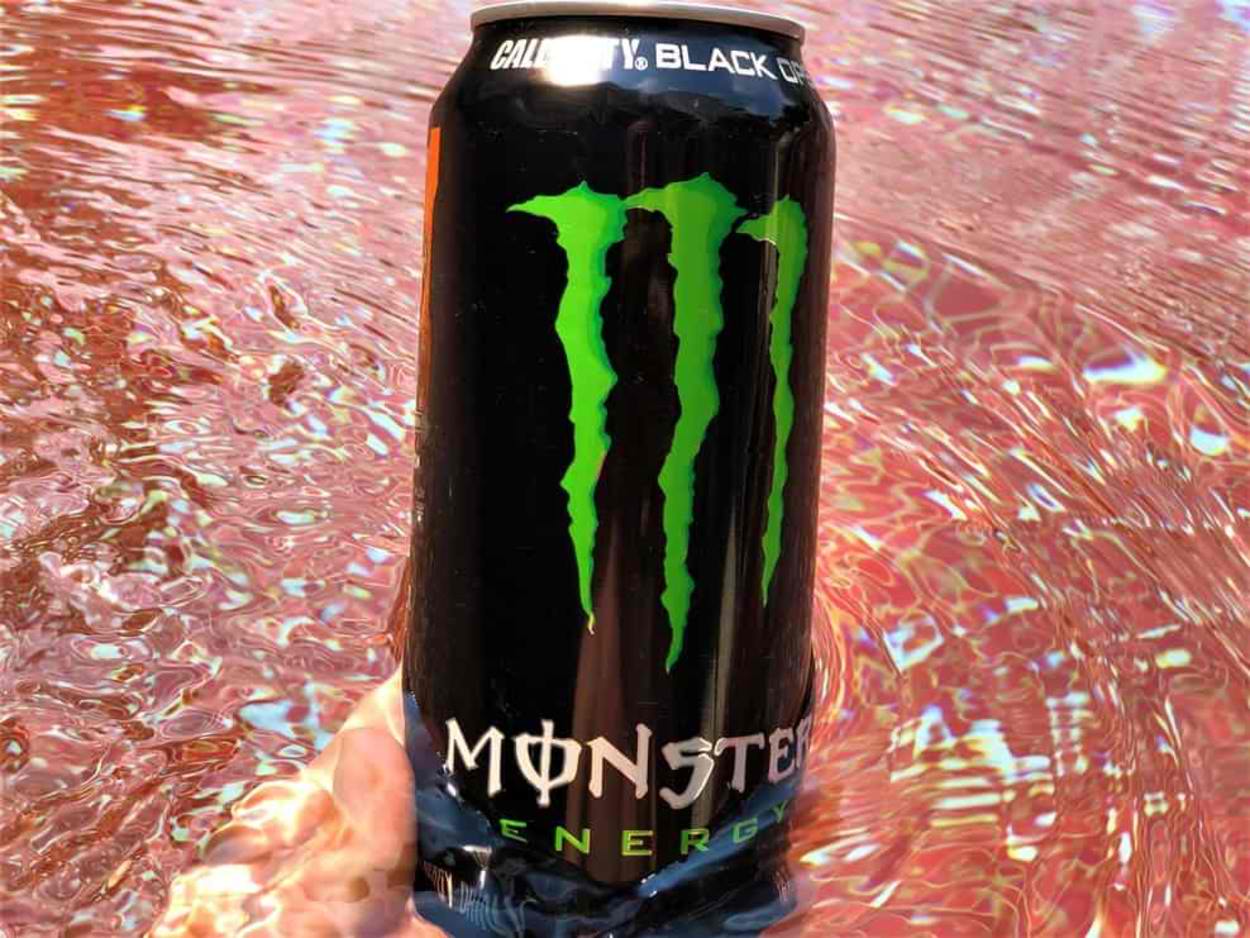
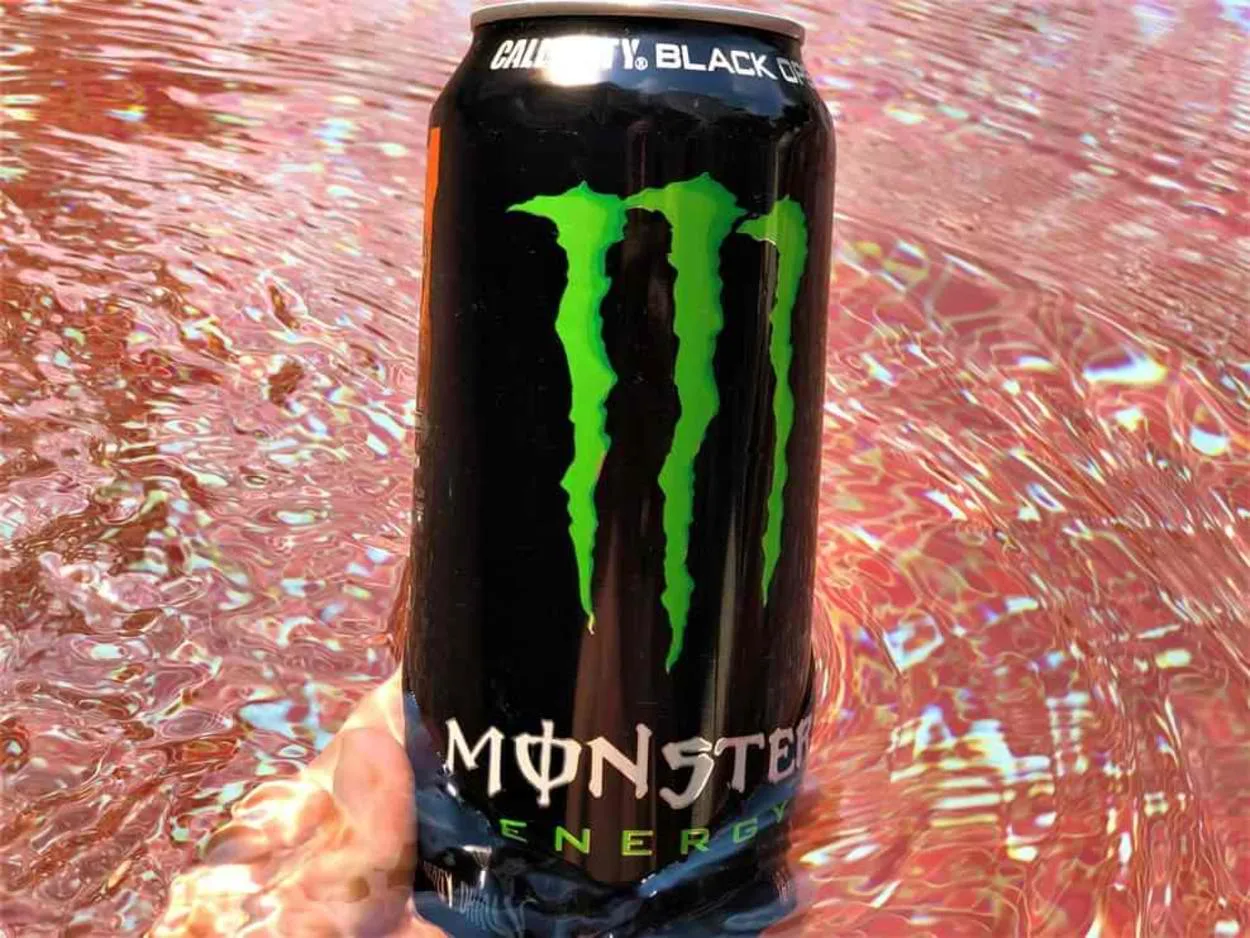
Monster Energy Drink’s shift to beverage drinks followed American Beverage Guidance for Responsible Labeling and Marketing of Energy Drinks. It aims to make sure the cans are properly labeled, especially when it comes to caffeine content. It also includes warnings and other reminders for consumers.
REIZE (10 out of 10)


Are you worried about the caffeine content of the drinks that you consume? Or your health safety? Then REIZE might be what you’re looking for.
For starters, REIZE adheres to the standards and guidelines put up by the FDA and is transparent with the ingredients included in its energy-boosting blend, leaving no room for worry.
REIZE is a 4g powdered energy drink with 50mg caffeine, 11 calories, and no sugar. This drink also comes with a refreshing blend of taurine, ginseng extract, and B vitamins.
You can have it whenever and wherever you are. It shipped directly to your door for only about $1, which is great value for your money!
So, try REIZE today, and experience one of the best energy drinks available on the market.